

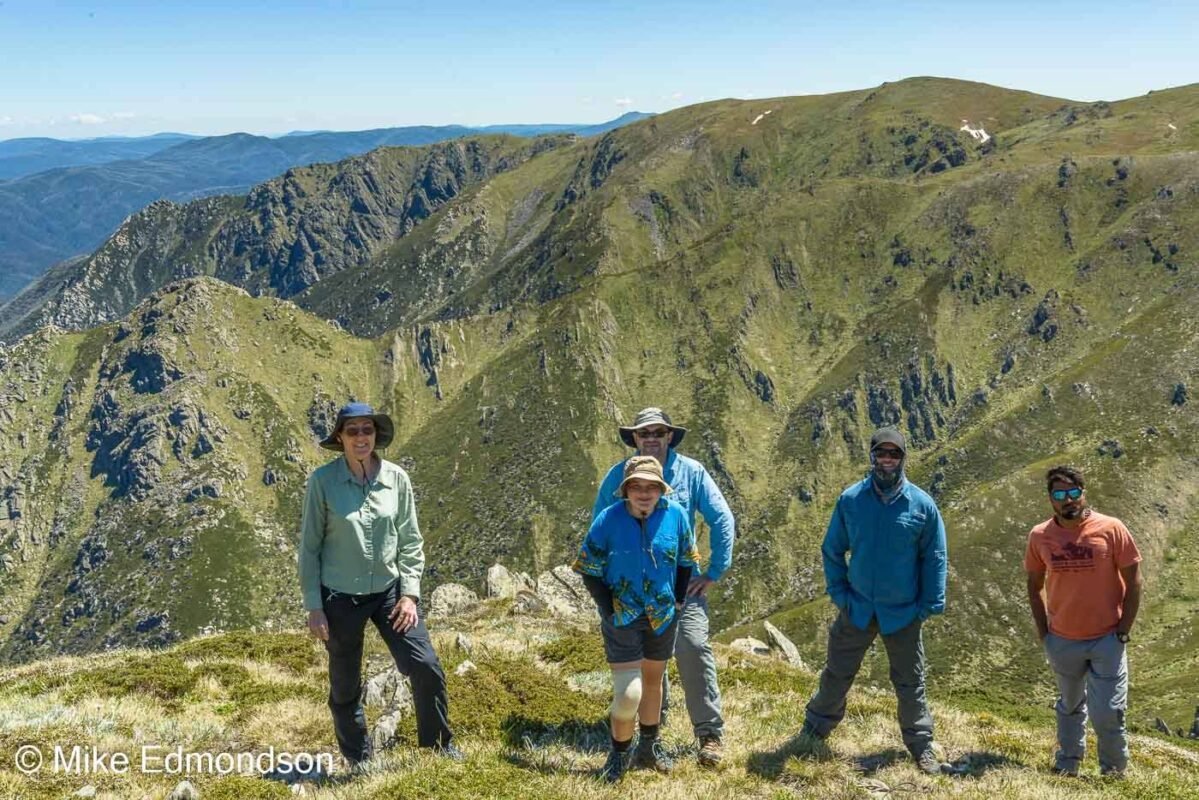
High-altitude mountaineering and corporate leadership share a critical reality: plans rarely survive first contact with changing conditions. On an exposed ridge, sudden weather shifts, equipment challenges, and fatigue force teams to make rapid, high-stakes decisions with incomplete information. The same dynamics play out in boardrooms during market disruptions, operational crises, and organisational transitions.
Decision-Making Under Pressure
In the mountains, panic is the fastest route to poor judgment. Experienced expedition leaders rely on structured checklists, clear communication protocols, and calm situational assessment before committing to a course of action. Corporate teams that adopt these same habits—separating urgent signals from noise and assigning explicit roles—respond more decisively when unexpected challenges arise.
Building Trust and Psychological Safety on the Rope
When climbers are roped together across a glacier, every member depends on the focus and honesty of the entire team. Speaking up early about fatigue, cold, or a changing snow bridge can prevent a minor issue from becoming a serious incident. Organisations that cultivate this level of trust empower employees to flag risks early rather than hiding problems until they escalate. Explore how our corporate leadership and team-building programmes translate expedition discipline into workplace resilience.
Knowing When to Turn Back—and When to Push
One of the hardest lessons in mountaineering is recognising that the summit is optional, while getting everyone down safely is mandatory. Strategic leaders apply the same discipline by knowing when to pivot away from a failing initiative and reallocate resources toward long-term stability. If your organisation is ready to build stronger crisis leadership through guided outdoor experiences, contact our team to design a custom programme or browse our upcoming treks and expeditions.
